
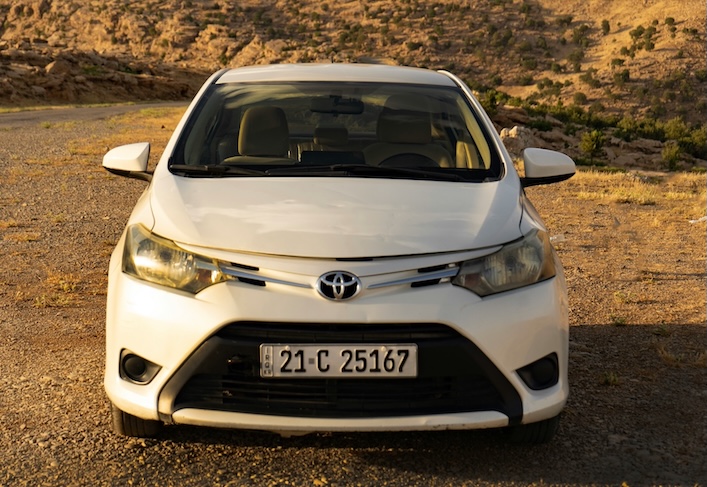
Finding the best used cars under $10,000 in 2026 isn't about chasing the lowest sticker price, it's about the lowest total cost. A $9,000 car that needs $2,500 of deferred maintenance is more expensive than a $9,500 car with a clean service history. So instead of repeating the same "Toyotas are reliable" list you'll find on every other site, this guide weighs budget cars against Avturo's own ownership-cost dataset, the same model-by-model table our analyzer uses to estimate what a car will cost you to keep on the road.
The cost figures below are Avturo's estimates for US cars, and the picks lean on long reliability records rather than a press release. Here's what genuinely holds up under $10k, what each one is estimated to cost per year, and the warning signs our analyzer looks for in the ad before you waste a Saturday on a bad car.
The Atomic Answer: What Are the Best Used Cars Under $10,000?
The best used cars under $10,000 in 2026 are the Toyota Corolla, Honda Civic, Mazda3, Toyota Prius, Honda Fit, Hyundai Elantra, Toyota RAV4, and Subaru Impreza. They win because they pair proven reliability records with modest, predictable maintenance-and-repair costs (Avturo's estimate for each one is in the table below). In this price range, a documented service history matters more than low mileage or the badge on the hood.
What These Cars Actually Cost to Own (Avturo Data)
This is the part most "best cheap cars" lists skip. A reliable badge means nothing if the specific car has been neglected, but on average, here's the annual maintenance + likely repair spend Avturo's dataset assigns to each pick, adjusted for a typical high-mileage budget example. These come from the same table our analyzer uses in a Pro report:
| Model | Typical years | Avturo cost-to-own (maint. + repairs / yr) |
|---|---|---|
| Toyota Corolla | 2012 to 2016 | $700 to $1,100 |
| Honda Civic | 2012 to 2015 | $700 to $1,100 |
| Mazda 3 | 2012 to 2016 | $700 to $1,100 |
| Toyota Prius | 2010 to 2015 | $600 to $1,000 |
| Honda Fit | 2012 to 2013 | $600 to $1,000 |
| Hyundai Elantra | 2014 to 2017 | $700 to $1,100 |
| Toyota RAV4 | 2010 to 2012 | $800 to $1,300 |
| Subaru Impreza | 2012 to 2016 | $800 to $1,300 |
Figures are Avturo's own estimates for scheduled maintenance plus typical repairs only, at US independent-shop prices. They exclude insurance, fuel, financing, and depreciation, which vary too much per driver to be useful. They are estimates, not measurements, and no outside source has reviewed them; each range is adjusted for the example car's age and mileage (about 115,000 miles). Your real number depends on the individual car's condition and service history, so ask the seller for the records. If you attach a Carfax or AutoCheck report when you run a listing, Avturo reads it and compares it with the ad.
Read these as estimates for a typical example, not a forecast for any one car: the individual car's history moves the real number more than the badge does. What makes a model a good budget buy is predictability, not just "it won't break". A model with a well-known, well-documented set of weak points is easier to inspect and price than one that might cost $700 or might cost $3,000 depending on the year or engine.
Check any listing in about three minutes
Paste a Facebook Marketplace or dealer link. Avturo shows the red flags in the ad, the problems that model is known for, and what to ask the seller.
Try Avturo freeQuick Picks: 8 Best Used Cars Under $10k
Prices are rough asking-price ranges for higher-mileage examples, not quotes, so check live listings for the car in front of you. Use the "What to Check" column as your test-drive shortlist.
| Model | Years | MPG (Combined) | Typical Price | Common Issues | What to Check |
|---|---|---|---|---|---|
| Toyota Corolla | 2012 to 2016 | 29 to 35 | $6,500 to $9,500 | Transmission fluid neglect (a 4-speed automatic on 2012 to 2013 cars and the 2014 to 2016 L, a CVT on other 2014 to 2016 trims), suspension wear | Service records; transmission behavior cold and warm |
| Honda Civic | 2012 to 2015 | 31 to 35 | $6,500 to $9,000 | A/C compressor ('12-'13), minor oil seepage | A/C output; smooth, shudder-free shifts |
| Mazda3 | 2012 to 2016 | 24 to 34 | $6,000 to $8,500 | Rust in salt regions, suspension bushings | Wheel-arch rust; clunk over bumps |
| Toyota Prius | 2010 to 2015 | 50 (Prius v: 42) | $6,000 to $9,000 | Hybrid battery age, water pump | Battery health report; HVAC fan noise |
| Honda Fit | 2012 to 2013 | 29 to 31 | $5,500 to $8,000 | A/C, interior wear from hard use | A/C; suspension bounciness on test drive |
| Hyundai Elantra | 2014 to 2017 | 28 to 35 | $5,500 to $8,000 | Transmission service history; unrepaired recalls | Fluid-change records; open recalls by VIN at nhtsa.gov/recalls; test at highway speed |
| Toyota RAV4 | 2010 to 2012 | 21 to 24 | $8,000 to $10,000 | Oil consumption on earlier years | Stick to 2010 to 2012; check oil level/burn |
| Subaru Impreza | 2012 to 2016 | 28 to 31 | $6,500 to $9,500 | CV joints, minor oil leaks | Clicking at full lock; leaks; AWD operation |
How Avturo Checks if the Price Is Actually Fair
"Priced below market" is the oldest line in car sales, and it's usually invented. Here's how Avturo replaces that guess with a real number, and how you can do a manual version of it yourself:
- It pulls live comparables. When you analyze a listing, Avturo searches current listings in the car's country for the same model, within two model years and with similar mileage, computes a median asking price from a real sample of listings, then tells you where your car sits against it. When it can't find enough comparable listings, the report says the price was not compared.
- It filters out the noise. Sites like KBB and trade-in widgets showvaluation estimates, not real asking prices, so they're excluded. So are obvious junk data points (monthly-payment quotes, "save $X" badges, prices under ~$2,500). What's left is what sellers are actually asking, which is usually more than cars finally sell for, so treat the middle as a ceiling.
- It shows you the sample size. A "below market" claim from 3 listings is a coin flip; from 30 it's a signal. Avturo tells you how many listings the median is based on and says when the sample is too small to trust.
The DIY version: open three tabs, search the exact year and model on the marketplace you're using, ignore dealer-certified outliers, and find the middle. If your car is priced below that middle and has clean records, you've found value. If it's below market with no records, that's not a deal, that's a warning.
The Red Flags Avturo Flags on Budget Listings
Under $10k, flaws are easy to gloss over and costly to discover later, so this is where our analyzer is most useful. When the ad text (or a history report you attach) mentions any of the findings below, Avturo treats it as a severe red flag: it caps the deal grade and replaces any "great deal" verdict with a caution, because no price makes these safe:
- Salvage, rebuilt, or branded titles, hard to insure, harder to resell, and a sign of past structural or flood damage.
- Liens / money still owed, if the seller still owes on the loan, the title can't transfer cleanly. Walk unless it's handled at the bank.
- Odometer rollback or mileage discrepancy, "suspiciously low miles" for the year is a classic budget-listing trap.
- Flood / water damage, causes electrical gremlins that surface months later. A musty smell or heavy air freshener is a tell.
- Frame or structural damage, a safety issue, not a cosmetic one.
- Stolen or recovered-theft history, a legal and insurance problem before it's a mechanical one.
Avturo reads these from the words in front of it; it doesn't search title, theft or odometer databases. So check the title yourself through the federal NMVTIS title check and run the VIN through NICB's free VINCheck. And watch for one more pattern on your own: the "selling it for a friend" story, a common sign of a curbstoner (an unlicensed dealer) offloading a car bought weeks ago.
Seeing any of these in an ad? Paste it into the Avturo AI Analyzer before you message the seller, it reads the listing text, flags these patterns, and gives you the model-specific questions to ask.
The One Rule That Beats Every Spec Sheet
In the sub-$10k market, condition and documented history beat mileage and badge almost every time. A 2013 Civic with 140,000 miles and a folder of receipts is usually a safer bet than a 2015 model with 90,000 miles and no records. Low mileage with no service history isn't a bargain; it's an unknown. Always get an independent pre-purchase inspection (PPI) before money changes hands, and if a seller won't allow one, that's your answer.
Final Thoughts
Buying a great used car under $10,000 in 2026 is absolutely doable. Stick to the proven eight above, weigh the estimated cost to own, not just the asking price, prioritize service history over the odometer, and run the listing through Avturo to see how the price compares with similar cars for sale and what red flags the ad shows. Then confirm the title yourself before you commit.