
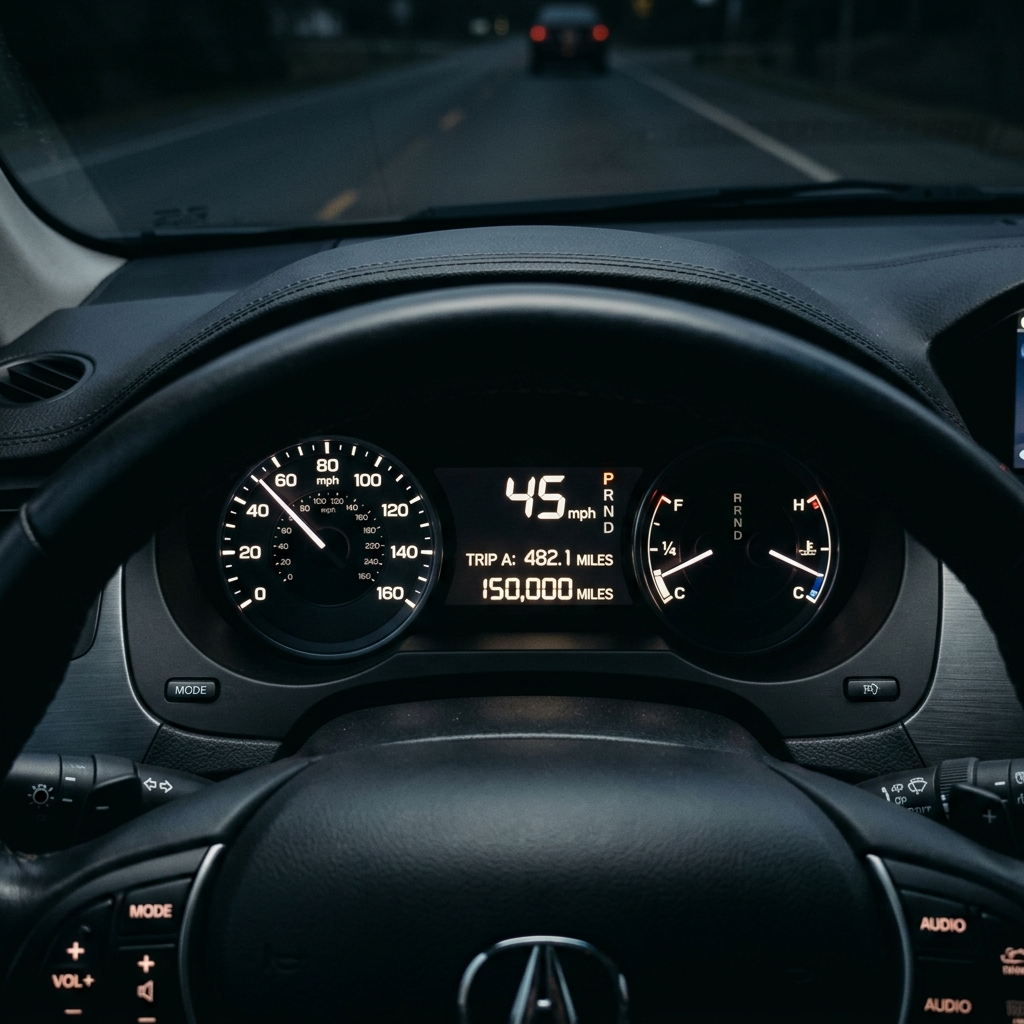
For decades, used car shoppers treated 100,000 miles as a hard boundary. Crossing six digits was seen as the point of no return where a car transformed into a ticking time bomb of repair bills. But in 2026, is that old rule still true?
The short answer is no. Modern engineering, synthetic oils, and tighter manufacturing tolerances mean today's vehicles generally last longer than their predecessors. But buying a high-mileage car still carries risks. Knowing how to tell a well-maintained highway cruiser from a neglected city junker is the key to saving thousands.
The Atomic Answer: How Many Miles is Too Many?
In 2026, condition and service history matter far more than the odometer reading. A car with 120,000 highway miles and complete maintenance records is almost always a better purchase than a car with 70,000 city miles that missed its oil changes. Generally, "too many miles" is defined not by a number, but by a lack of documented maintenance history matching major wear intervals (such as a timing belt, commonly due somewhere between 60,000 and 105,000 miles depending on the engine, or fluid refreshes).
Odometer Miles vs. Engine Wear: The Real Story
Not all miles are created equal. A mile driven on the highway in top gear at a constant temperature is significantly less stressful on a vehicle than a mile driven in stop-and-go city traffic:
- Highway Miles: Constant airflow keeps the engine cool, gear shifts are minimal (reducing transmission wear), and suspension movement is smooth.
- City Miles: Constant braking, heavy shifting, idling (which accumulates engine wear hours without adding odometer miles), and driving over potholes wears out suspension, brakes, and starter motors rapidly.
The 60k, 90k, and 120k Mile Service Check
When buying a used car, ask the seller for proof of major maintenance services. Below are the critical milestones you must verify:
| Milestone | Critical Service Items | Estimated Cost | Negotiation / Risk Check |
|---|---|---|---|
| 60,000 Miles | Brake fluid flush, spark plugs (some models), engine/cabin filters, tire rotation. | $300 to $600 | Relatively minor. Check if tires have been replaced at least once by now. |
| 90,000 Miles | Timing belt & water pump (models with belts), coolant flush, transmission fluid service. | $800 to $1,500 | High Risk. On an interference engine, a snapped timing belt can wreck the valves and pistons; on other engines it leaves you stranded. If the replacement is undocumented, get a quote for the job and take it off your offer. |
| 120,000 Miles | Suspension struts/shocks, accessory drive belts, spark plugs (iridium), valve clearance check. | $1,000 to $2,000 | Check for fluid leaks around engine gaskets and test for suspension clunks on test drive. |
Check Any Listing in About a Minute
Paste a Facebook Marketplace or dealer link. Avturo shows the red flags in the ad, the problems that model is known for, and what to ask the seller.
Try Avturo FreeHow to Spot a "High-Mileage Gem"
If you are looking at cars with over 100,000 miles, look for these green flags that signal a healthy vehicle:
- Single-Owner History: A car with one long-term owner is often better maintained than one passed through 4 or 5 buyers.
- Consistent Service Log: Look for oil changes at regular intervals that match the maker's schedule (often 5,000 to 10,000 miles on modern engines using synthetic oil) on the records or the history report.
- Highway Commuter Indicators: Clean driver's seat bolster, minor front bumper rock chips (highway indicators), and original pedal pads with minimal wear.
How Avturo Evaluates Odometer Risks
Evaluating high-mileage cars is where Avturo shines. You can copy the listing link or take screenshots of the listing and upload them to the Avturo Listing Analyzer.
Avturo works out the car's average miles per year from its model year and odometer reading (a common benchmark is 12,000 to 15,000 miles a year) and reads the ad for mileage red flags, such as "true mileage unknown", an odometer figure that doesn't match the rest of the ad, or miles that look too low for the car's age. It can't see registration or odometer records, so pair it with a vehicle history report or the federal NMVTIS title check. If you attach a Carfax or AutoCheck report, Avturo compares its odometer readings with what the listing claims.
It also checks the model's known problems against the current mileage: for some popular US and Canadian models, from Avturo's own documented problem pages (each with sources); for others, from a web search shown with its sources. For instance, if a model has a documented weak point that tends to show up around 100,000 miles, and the listing has 115,000 miles with no service history, Avturo will flag it as a negotiation point and tell you what to ask.
Once you buy the car, you can add it to My Garage, which builds a maintenance schedule from the car's mileage, keeps a service log, and gives you an AI mechanic you can ask about a symptom any time.
Summary: The Mileage Rules for 2026
- Ignore the 100k rule: Focus on condition and maintenance records.
- Verify the timing belt: On engines with a belt, always ask if the timing belt and water pump were replaced on cars over 90,000 miles.
- PPI is non-negotiable: For any car over 100,000 miles, spend the $150 to $250 for a pre-purchase inspection by a mechanic.