
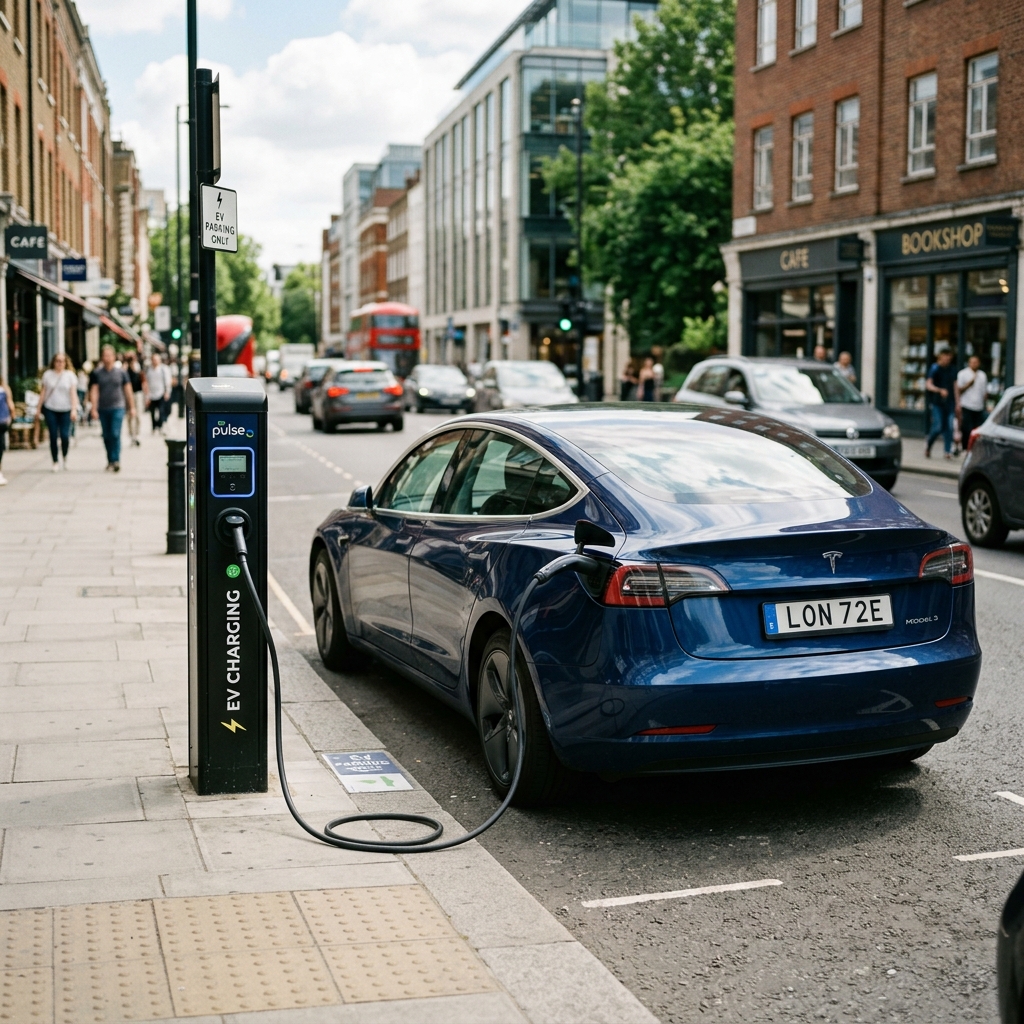
Used electric cars are some of the best value on the market right now. But they raise one question gas cars never do: how healthy is the battery? Get that answer right and a used EV can be cheap to run and nearly maintenance free. Get it wrong and you could be staring at a five-figure repair. Here is how to buy a used EV (or hybrid) with confidence.
Quick answer
Should you buy a used electric car? Yes, if the battery is healthy and the price reflects it. Used EVs depreciate faster than gas cars, so deals are common, and they cost very little to maintain (no oil changes, far fewer moving parts). The three checks that matter most are battery State of Health (aim for 85% or higher), how much of the typical 8-year / 100,000-mile battery warranty is left, and real-world range in your climate. Avturo weighs the asking price against the market and flags the model-specific issues to check before you buy.
Why Used EVs Are a Buyer’s Market
Electric cars lose value faster than comparable gas cars in their first few years. That is frustrating for the original owner, but it is exactly why the used EV market is full of value. A car that cost $45,000 new can land in the $20,000 range with plenty of life left. The trick is knowing how to tell a healthy used EV from a tired one, because the battery, not the odometer, decides how much life is actually left.
Battery Health: The One Thing That Matters Most
An EV battery slowly loses capacity over time, usually around 1 to 2 percent per year. Most well-kept EVs still hold 85 to 90 percent of their original capacity after eight to ten years. What you want to avoid is a battery that has degraded faster than normal, which shows up as a noticeably shorter range. Three things to verify:
- State of Health (SoH): this is the battery's remaining capacity versus new. Many EVs display it in a service menu, and a dealer or independent EV shop can pull it. Aim for 85 percent or higher; treat anything under 80 percent as a price-negotiation point.
- Warranty remaining: most EV batteries carry an 8-year or 100,000-mile warranty (longer in some states and on some models). Confirm how many years and miles are left, and whether it transfers to you.
- Out-of-warranty risk: if the warranty is nearly up, factor in that a full battery replacement is the big-ticket repair. A healthy SoH reading makes that far less likely, but it is why the battery check is non-negotiable.
Analyze Any Listing in Seconds
Paste a Facebook Marketplace or dealer link. Avturo flags hidden issues and suggests what to ask.
Try Avturo FreeReal-World Range (Not the Sticker Number)
The EPA range on the window sticker is a best case. In daily use you will see less, and in cold weather a lot less. Plan for real-world range to run 10 to 20 percent below the rating in mild conditions, and 20 to 40 percent below in freezing temperatures, because heating the cabin and the battery draws power. Before buying, ask: does the remaining real range comfortably cover your normal driving, with margin for winter? If it does, range anxiety mostly disappears.
Charging: Home Access Is Everything
The single biggest factor in whether an EV will be cheap and convenient for you is where you charge it. If you can charge at home overnight, your "fuel" is cheap and you start most days full. If you rely on public fast charging, costs are higher and the experience is less predictable. Decide your charging situation first, because it matters more than any single car you are looking at.
Running Costs: Where EVs and Hybrids Win
Electric and hybrid drivetrains are genuinely cheap to keep running. There are no oil changes, fewer moving parts to fail, and regenerative braking means brake pads last much longer. Here is the annual maintenance and likely-repair spend Avturo's dataset assigns to a few used EVs and hybrids next to a gas SUV, for a typical lower-mileage example:
| Model | Typical years | Avturo cost-to-own (maint. + repairs / yr) |
|---|---|---|
| Nissan Leaf (EV) | used EV | $700 to $1,100 |
| Tesla Model 3 (EV) | used EV | $500 to $900 |
| Toyota Prius (hybrid) | hybrid | $500 to $800 |
| Toyota RAV4 (gas SUV) | gas comparison | $700 to $1,100 |
Figures are Avturo's model-specific estimates for scheduled maintenance plus likely out-of-warranty repairs only. They exclude insurance, fuel, financing, and depreciation, which vary too much per driver to be useful. Ranges are anchored to Edmunds True Cost to Own and RepairPal data, then adjusted for a high-mileage budget example (about 60,000 miles). Your real number depends on the individual car's service history, which is exactly what Avturo checks when you run a listing.
One caveat: these figures cover routine maintenance and repairs, not the battery. A healthy in-warranty battery makes that a non-issue, which is why the battery health check carries so much weight.
The Federal Used-EV Tax Credit Is Gone (and What Replaced It: Nothing)
Until late 2025, qualifying used EVs came with a federal Used Clean Vehicle credit worth up to $4,000. That program ended: the credit was terminated for vehicles purchased after September 30, 2025, and no federal replacement exists. If a seller or dealer suggests a federal credit will lower your real price, they are working from outdated information. The silver lining is that used EV prices have fallen enough that the math can still work without it, and some state, local, and utility programs still offer incentives, so it is worth a quick check of your state's current programs before you buy.
Not Ready for Full EV? The Hybrid Middle Ground
If home charging is not an option, a used hybrid is the easy win. You get most of the efficiency and the same low-maintenance benefits without any charging to plan. Toyota's hybrids in particular have a long track record: their batteries are smaller, cheaper to service, and famously durable. For many buyers a used Prius or RAV4 Hybrid is the smarter step before going fully electric.
Used EV Red Flags (and What Avturo Checks)
- No State-of-Health number: a seller who cannot or will not share the battery health reading is asking you to gamble on the most expensive component.
- Range that has dropped sharply: if the real range is well below the model's rating, the battery has degraded faster than it should.
- Expired or non-transferable battery warranty with no recent health check.
- Open recalls: some EVs have had battery-related recalls. Run the listing through Avturo to check the price against the market, surface model-specific issues, and confirm the deal makes sense.
The Bottom Line
A used EV can be one of the smartest buys out there: cheap to run, low maintenance, and discounted by fast depreciation. The whole decision comes down to the battery. Verify the State of Health, check the warranty, confirm the real range fits your life, and sort out home charging. Do that, and a used electric car (or a hybrid as a gentle first step) can save you money for years.