
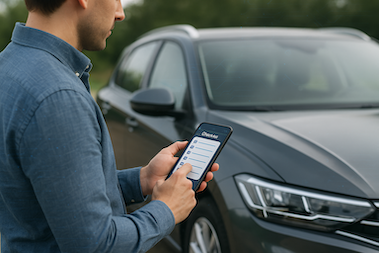
A focused 15 to 30-minute test drive can reveal many of a used car's hidden problems, if you know what to look for. Use this 12-point, AI-backed checklist to spot costly issues fast, turning you into a much more informed buyer.
Quick answer
What should you check on a used-car test drive? A focused drive can surface many hidden problems if you check the cold start, transmission shifts, braking, steering pull, suspension noises, electronics, and any dashboard warning lights. Avturo's Pro report turns this into a model-specific checklist, so you test the weak points known for the car you're looking at.
1. Cold Start Behavior
Ask the seller not to warm up the car before you arrive. A rough idle, extended cranking, or loud ticking/rattling noises on a cold start can indicate serious issues with engine components like valves, cam phasers, or the timing chain/belt, which can cost well over $1,000 to fix.
2. Warning Lights & Messages
Look for any illuminated warning lights on the dashboard (Check Engine, ABS, Airbag, TPMS). A piece of black tape over a light is a massive red flag. If any are lit, it's a clear sign the car's computer has detected a fault. Reading the stored codes is the first step: a basic OBD-II reader is inexpensive and many auto-parts stores will read codes for free, while a full shop diagnosis costs more.
3. Oil Leaks & Smells
Before the drive, check under the car for drips. After, pop the hood and look around the engine for dark, wet spots, especially near gaskets. A distinct burnt oil smell after a short drive often points to a leaky valve cover gasket ($300-$600) dripping onto hot exhaust components.
4. Transmission Feel
During the test drive, notice any delay or harsh clunk when shifting from Park to Drive. On the road, check for rough shifts, slips, or shuddering. For manual cars, test for clutch slip by shifting into a high gear at low speed and accelerating firmly. If RPMs rise without a corresponding speed increase, the clutch is worn ($800-$2,000).
5. Steering & Suspension
Drive over some small bumps or an uneven road. Listen for clunking or knocking sounds, which can indicate worn bushings, struts, or control arms ($400-$1200). If the car feels overly bouncy, the shocks or struts are likely worn out. Uneven tire wear is a classic sign of alignment or suspension issues.
6. Brakes
During your test drive, perform a firm (but safe) stop. Does the car pull to one side? That points to a sticking caliper, a collapsed brake hose, or uneven pads, so have the brakes inspected. Do you feel a vibration or pulsing in the steering wheel or brake pedal? That usually means uneven ("warped") rotors that need resurfacing or replacement ($300-$700).
Check any listing in about three minutes
Paste a Facebook Marketplace or dealer link. Avturo shows the red flags in the ad, the problems that model is known for, and what to ask the seller.
Try Avturo free7. Cooling System
Keep an eye on the temperature gauge; it should rise to the middle and stay there. After the drive, look for signs of leaks. Dried pink, green, or orange "crust" around hoses or the radiator is a tell-tale sign of a coolant leak. A sweet smell is also a giveaway. Overheating can cause catastrophic engine damage.
8. Electronics
Test everything: power windows, door locks, mirrors, seats, sunroof, infotainment system, backup camera, and parking sensors. Intermittent electronic faults can be notoriously difficult and expensive to diagnose, with modules often costing $500+.
9. Tires
Look for the four-digit DOT code on the tire's sidewall (e.g., "3221" means the 32nd week of 2021). Many vehicle and tire makers recommend replacing tires somewhere between 6 and 10 years old regardless of tread depth. That's a recommendation, not a legal requirement, but treat old tires as a cost to negotiate. A new set can cost $600-$1000.
10. Title & History Clues
Look for mismatched paint between body panels or signs of overspray on trim, which suggest prior bodywork. Always run a listing through Avturo before you test-drive to get AI-based insights and screen the ad for red flags, such as a mention of a salvage or rebuilt title. For the title record itself, use the federal NMVTIS title check or a vehicle history report. Check for any Facebook Marketplace red flags before meeting.
11. Noises by Speed
Listen for a humming or growling noise that gets louder with speed and changes pitch when you steer slightly. This is a classic symptom of a bad wheel bearing ($300-$500 per corner). Vibrations at highway speeds can indicate tire balance issues or more serious driveline problems.
12. Final Sanity Checks
Does the car come with two sets of keys (a replacement can be $200-$500)? Is the owner's manual in the glove box? Are there any unusual odors like mold, mildew, or heavy air freshener trying to cover something up? These small details can hint at the overall level of care the car has received. A prepared buyer can save thousands on their next car by spotting these things.